We need
youth
workers

Join us as a residential youth worker and work with young people in the youth justice system.

Be part of a supportive team that create a space where rangatahi build skills, confidence and take their next steps.

What residential youth workers do

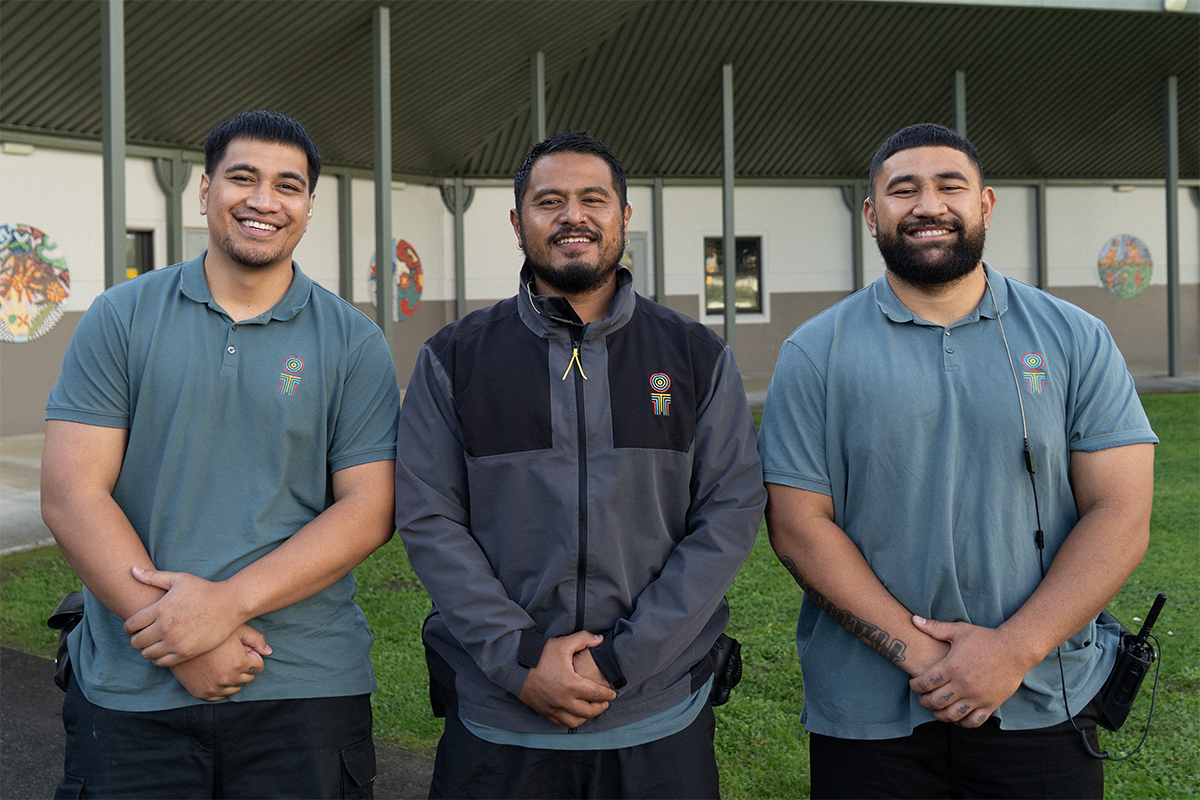
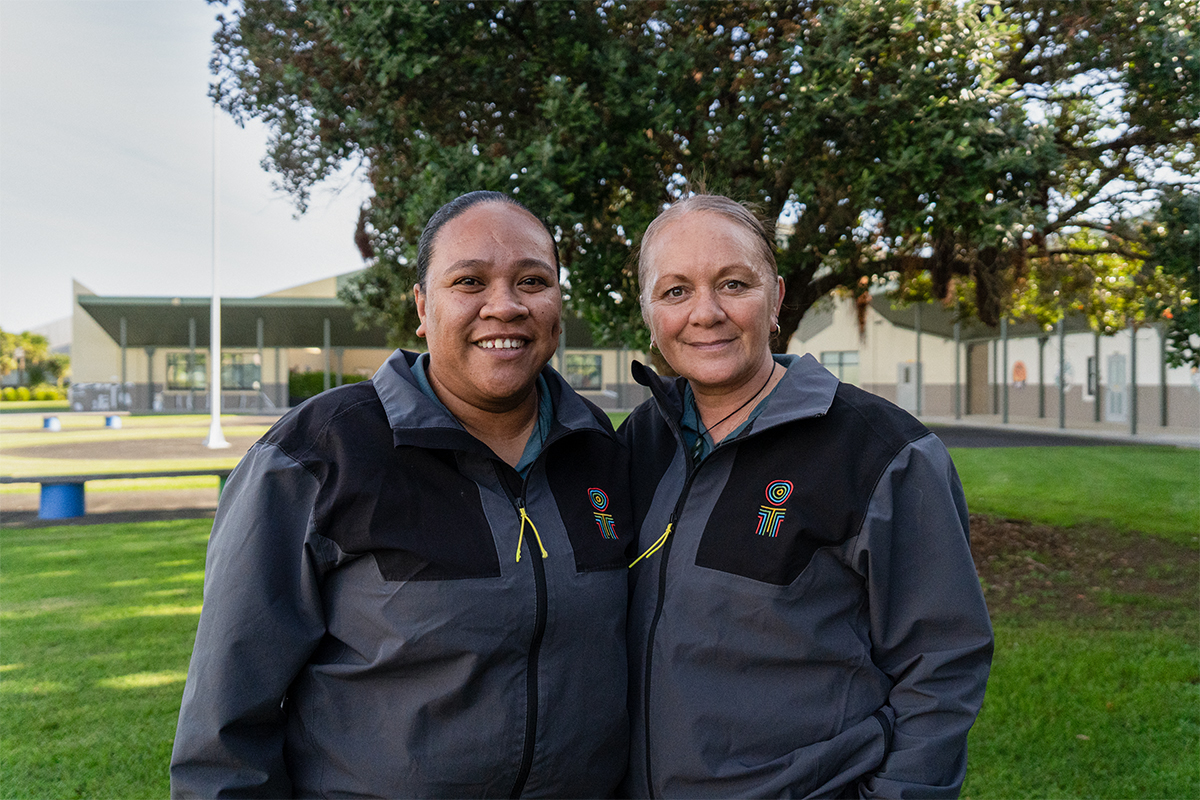
Residential youth workers are mentors, role models and supervisors, working directly with rangatahi up to 19 years old in secure Youth Justice residences.

This is an active, shift-based role where you will:

  • maintain safety and supervision at all times
  • follow procedures and respond to incidents when required
  • build professional relationships with rangatahi
  • support structured routines, behavioural expectations and daily living.

What youth workers do

Interview with Kelly Maipi, a passionate leader at Korowai Manaaki Youth Justice Residence.

Transcript

I put my head to something, I'm going to do it at 100% and nothing less.
Kia ora! Ko Kelly Maipi toku ingoa. He uri tēnei nō Ngāpuhi, Tainui me Ngāti Whātua.
My name is Kelly. I am a Team Lead Operations here at Korowai Manaaki.
Most of my life I have been involved with youth, which has naturally led me into this line of mahi.
Who I am today is built up of my whānau, a bit of my sports and obviously the community that I work in.
I have two young boys, seven and nine. They really drive me to want to continue this mahi.
I've grown up in a very sporty family, and I naturally had to become sporty myself, too.
Dad coached rugby league as well and I was almost, let's say, his “son”.
I played from grassroots rugby league and touch, tag and all of those sorts of things as well.
Eventually Counties Manukau reps. And then that led me to playing for the Kiwi Ferns and representing my country.
We see it on the daily, the talent that's in this space as well.
For your average person, we always start at the start line.
Unfortunately for a lot of these young people that I work with now, they are still trying to get to that start line at this age and ... it's unfair.
For a lot of them as well, they've never been asked what their dreams are.
Speaker 2: 15 second star jumps. Ready - three, two, one. Come on let’s go! And split squats!
This sports academy is sort of a way or a path to see their potential.
Speaker 1: And uppercuts!
They're going to get into a routine, and when they leave this space, hopefully that routine sticks. Change!
Hopefully they're motivated to look (Change!) at more positive engagement out there in the community.
Speaker 1: A little bit sharper, a little bit sharper. One-two. Very good.
Speaker 1: One-two.
Speaker 1: Yep, perfect.
Speaker 1: One-two.
I love this space here at Korowai Manaaki.
I like to bring ... spark into the space too, and my own personality in this space and create a supportive and caring structure for these young people.
We're now their caregivers, or we're now looking after them so, we want to do that to the best of our ability.
So I give my all to these young people and hopefully they can go away from this space and remember all those kaimahi here that have supported them and work with them every single day to be a better version of themselves.
I wish that people understood these young people and that they are not their mistakes and their circumstances.
Speaker 1: Everyone’s moving, okay, so you got to be sharp with your feet as well, not with just your hands.

Residences run 24/7 all year round.

Permanent roles are shift-based across all 7 days. Hours vary by residence. Casual roles are also available.

Build skills and confidence

A key part of the role is delivering and supporting programmes that help rangatahi build practical skills, confidence and positive behaviours. This includes leading activities such as:

  • sport and physical training
  • cooking and independent living skills
  • education support and learning activities
  • vocational and cultural development
  • music, arts and recreation.

Where you’ll work

Positions are available across our Youth Justice residences in Auckland, Rotorua, Palmerston North and Christchurch.

Apply now

How we support you

You will be set up for success from day one.

You will complete a structured 5-week induction programme, combining on-the-job learning with classroom-based training.

You will also have access to ongoing paid training and development, including opportunities to strengthen your practice and grow your career.
We want social workers 1

What we're looking for

Meet Barty Doak, an Agricultural Tutor helping young people at Te Puna Wai ō Tuhinapo build confidence through hands-on learning.

Transcript

Barty Doak: 
Kia ora. Barty Doak tōku ingoa. 
My role for Oranga Tamariki here at Te Puna Wai is Agricultural Tutor. 
I've been at Te Puna Wai for about 13 years. I've done roles on the floor and spent a good four years of that escorting young people around the country. 
I was supporting the original agricultural tutor out here. I had a landscaping background and a love of the outdoors, so I spent lots of time out with him, picking up skills. Then I naturally progressed into the role of Agricultural Tutor. 
The idea behind having the farm was to give young people employable skills, get them outside working with their hands, get them into the fresh air, and give them new experiences. 
When we first started, it was an empty paddock. There was nothing out here but gorse and broom. We started out with sheep and currently have about 12. I added a few goats to the farm. We started with one horse and now have four. 
We also have pigs, chickens, geese, ducks and alpacas. 
A lot of our young people have cats or dogs, but apart from that they haven't been around horses, goats or sheep. We get to see the compassion they have for animals out here. 
It's about showing young people that there are other ways to learn, not just in a classroom. A lot of our young people are hands-on learners. 
When I'm not here, I'm a dad raising my own children. 
I'm also a member of the volunteer fire brigade, so I'm on call and can respond at any time. 
I like to help people, whether it be here or in the community. I find helping people helps me too. It gives me a sense of purpose and belonging, and it gives me that connection to my community. 
The hardest part of this job is when it's time for our young people to move on, knowing they may not have the same opportunities. You just hope you've planted some seeds, that they've learned skills that are transferable into life outside this place. 
One thing I wish people knew is that there are so many good people working here. They work here because they want to see change. They want to see our young people succeed in life. 
There are a lot of experiences young people can have here. While they're here, they're safe, and we care for them. 

What we're looking for

Our residential youth workers come from all kinds of backgrounds. What matters most is that you can:

  • stay calm, confident and professional in challenging situations
  • follow processes and safety procedures consistently
  • communicate clearly and respectfully with rangatahi
  • build positive relationships while maintaining strong boundaries
  • actively engage rangatahi in structured activities and programmes
  • work as part of a tight-knit team in a structured environment

We are particularly interested in people who can bring skills or interests they can share with rangatahi, such as sport, fitness, creative arts, trades or life skills.

What you need to apply

To be a residential youth worker, you need to be:

  • physically fit and able to safely engage in activities with rangatahi
  • willing to work a roster covering mornings, evenings, weekends and public holidays
  • able to pass core children’s worker safety checking requirements, including police vetting.
  • confident in facilitating activities with rangatahi and encouraging them to participate in activities.
We want social workers 2

Apply now

If this sounds like you, we’d love to hear from you.

Apply now

Published: July 2, 2026